

Is it pronounced “sconns” or is it “scones”? I know one thing for certain, it’s pronounced “scrumptious”!
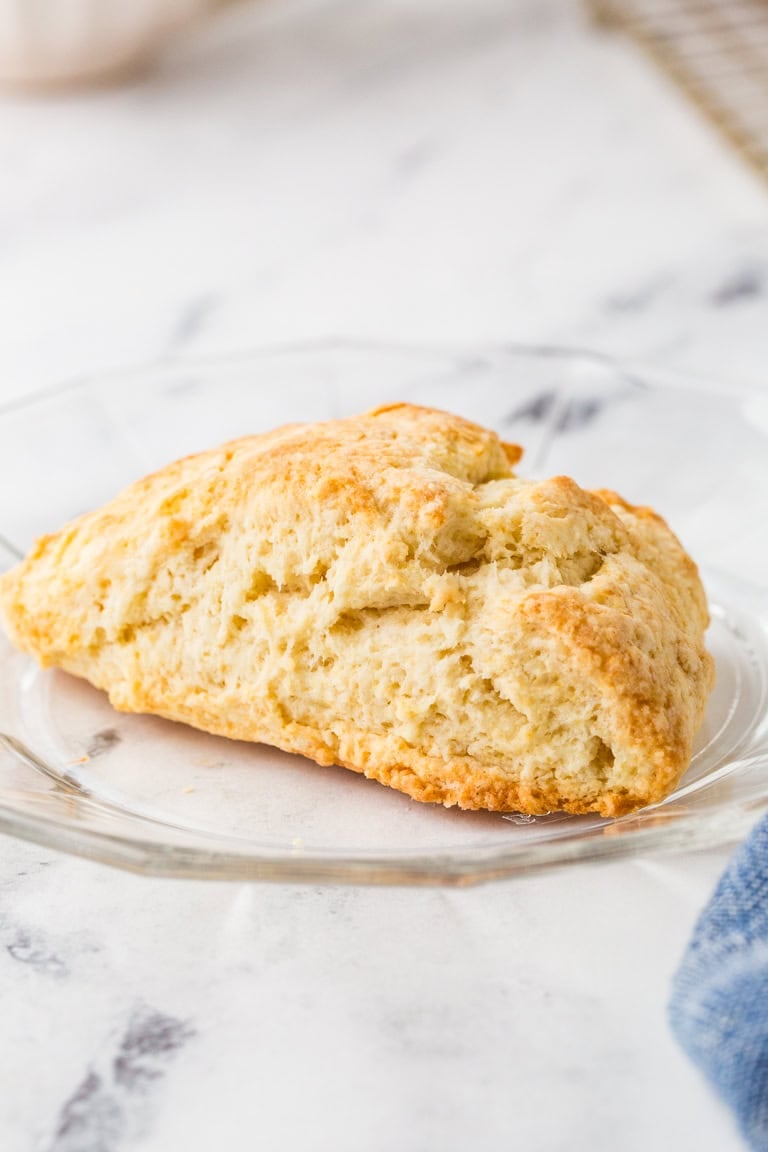
If you’ve ever had a traditional English high tea, you’ll doubtlessly know the beauty in the bite of their biscuits and the difference between what Brits consider to be a “biscuit” and what they would call a “scone.” British biscuits more closely resemble what Americans know to be “cookies,” with the name being grandfathered in by Dutch koekjes; meanwhile, English scones (more alike to American biscuits) are leavened with baking powder and baked on sheet pans to develop into a variety of shapes, all of which pairing nicely with a bit of butter, clotted cream, or fruit jam. As if the whole switcheroo with names wasn’t enough confusion, there are regional differences about how to pronounce the word “scone,” only further sowing the divide between biscuits and their scone ancestors.
While some insist that scones and biscuits are still divided by certain aspects of their bake (the inclusion of sugar and fruit, for instance), there’s little denying that British scones pair just as nicely with a cup of tea and clotted cream as they do a next to American breakfast and brunch classics, despite the nomenclature mix-up. Smearing a delicious scone with a healthy pat of melty butter combines sweet and salty into a distinct flavor combination that can’t be beat! Slathering a hot scone with jam might just be the way to go for any indulgent brunch! Even combining classic breakfast flavors like eggs and bacon into the folds of a finished scone turns it into something wholly savory! Be they rounded in shape or hexagonal cut-outs (like is often found in stores!) or in the classic wedge shape of delicious homemade recipes, skip the canned biscuits and plate up some freshly baked, scrumptiously crumbly scones!
Going, Going, Sgonn! – The Evolution Of (And How To Pronounce) “Scones”
There are dozens of words in the English language that are pronounced differently depending on where you grew up (don’t get me started on the Manhattan pronunciation of “water”!), but the fundamental roots of those words aren’t often as contentious! The thing about language is that it borrows from other cultures so frequently that the way a word sounds often evolves its spelling into crude phonetic adoptions into the vernacular called cognates. These cognates are words picked up from other languages, either because they share a root or because they’ve been inducted into the dialect by the population. As such, there are two potential roots for the word “scone” and, thus, two arguments for how it should be pronounced!
Firstly is the long o (wherein “scone” rhymes with “tone”) pronunciation, often the one used by most Americans. The middle German word for “fine bread,” schöne, might have contributed to the Gaelic term, sgonn, for “shapeless mouthful.” As perhaps unappealing as “shapeless mouthful” sounds, it honestly best describes the type of scone known as a “drop scone” for the resulting ambiguous shape once baked, caused by simply spooning the dough onto a sheet. Second, the short o (where “scone” rhymes with “gone”) pronunciation may have derived from the word schoonbrood, also roughly translating to “fine bread.”
These two origin stories cement two facts into the otherwise nebulous history of the scone: One, the scone has always been considered a nobly refined bread suitable for tea time, and two, the scone made an important stop in Scotland during its evolution!
The English scones can take many shapes—be they rounded, lumpish, or hexagonal—but so long as they match the definition of their fine bread etymology, a scone can simply be sweet or savory, crumbly or buttery. It just has to be filling and delicious!

FAQs & Tips
How to Make Ahead and Store?
Scones aren’t just perfect for afternoon tea! Have scones as an anytime snack by storing them once they’re baked and cooled! In an airtight container at room temperature, scones can last 1-2 days. Given a stay in the refrigerator, scones can last up to a week! If you want your scones hot, I suggest placing them in your air fryer for a few minutes on a “bake” setting—any longer, and you’ll risk drying your scones into hard pucks.
Can I Add Fillings Into My Scones?
You can! Traditional scones have fruit jams and jellies, butters and creams, and other delicious spreads smeared into/onto them once served, but that shouldn’t stop you from trying your hand at blueberry or chocolate chip scones! Simply bear in mind that the added moisture from fresh fruit can cause textural differences in your final product.
The Edges Of My Scones Are Getting Done Faster Than The Insides, What Can I Do?
An understandable concern during baking is if your scones are browning nicely but are still raw internally. Simply leaving them in the oven runs the risk of burning the edges just to get the insides well done. Here’s what you can do: take a sheet of aluminum foil and create a folded tent to go over the top of your scones. This will serve as a barrier between the surface of your scones and the residual heat of the oven, helping the insides get to temp without overcooking your outer edges.
Serving Suggestions
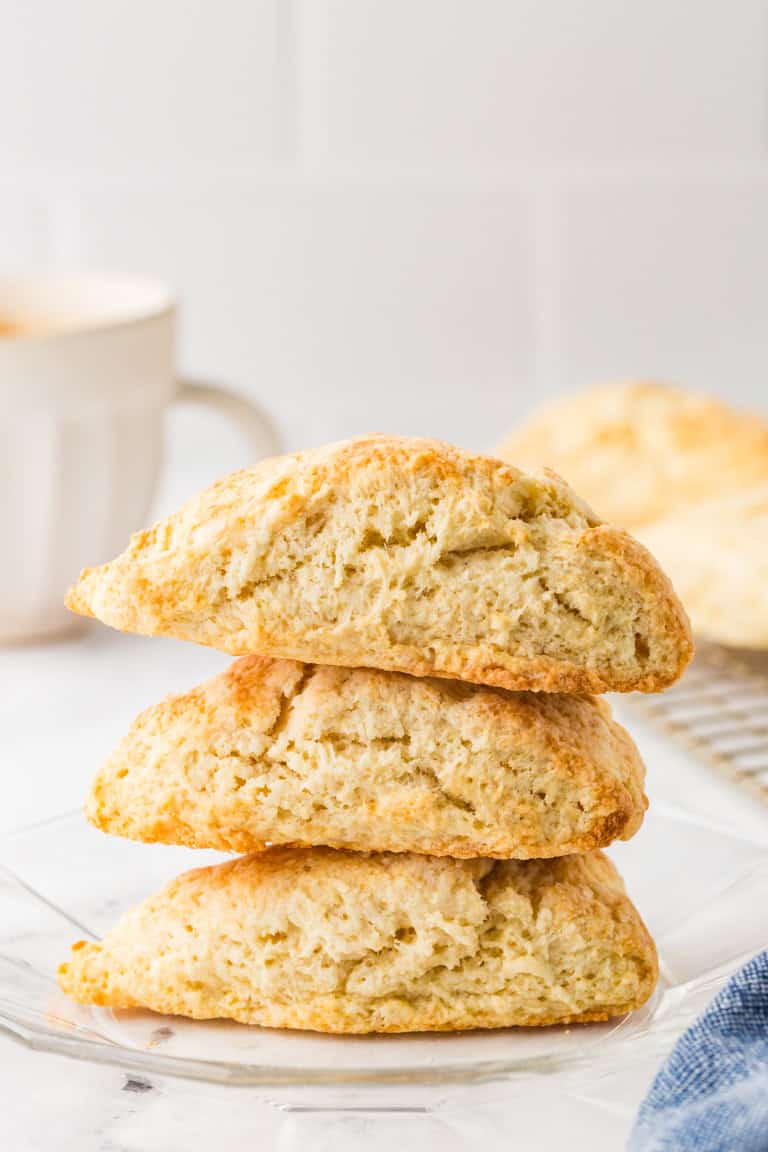
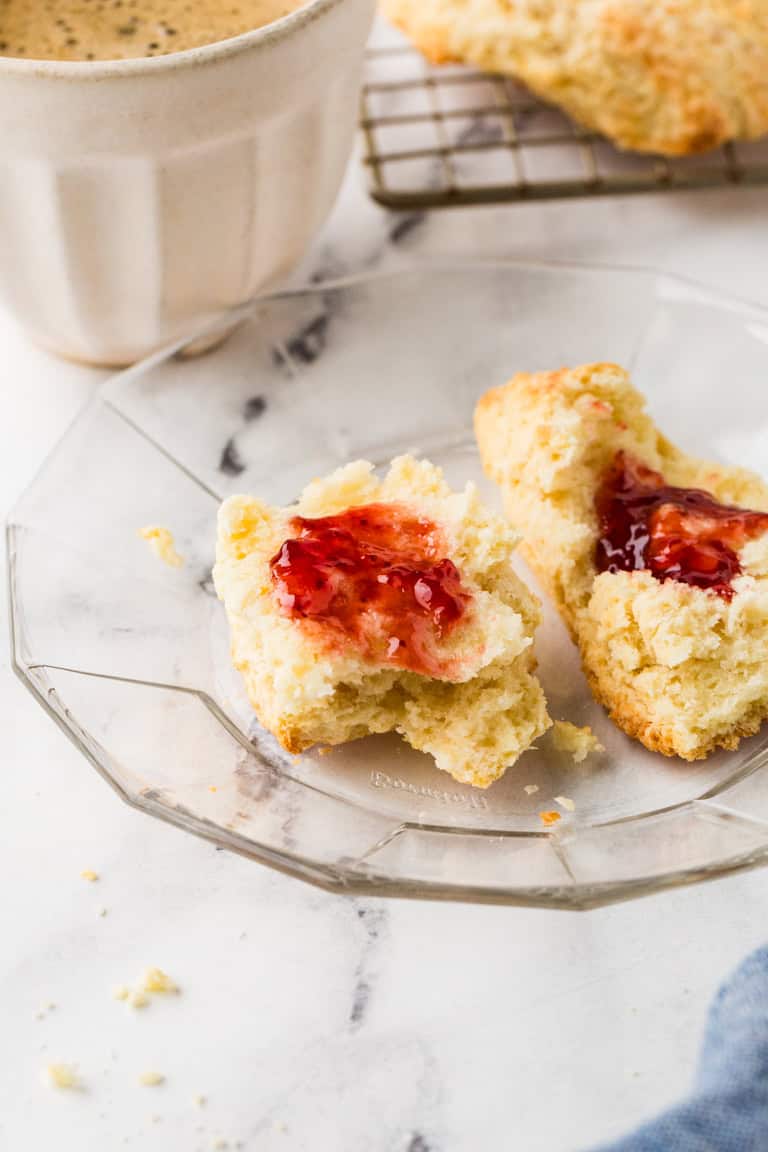
Scones pair perfectly with jams, jellies, and especially clotted cream; however, it wouldn’t be high afternoon tea if you served scones all on their own! A BakedBree ideal afternoon tea would feature colorful unicorn cupcakes, chocolatey cookies and cream snack cakes, and nutty almond café cookies! Teatime wouldn’t be complete without something to drink! Try pairing scrumptious scones with your favorite tea blends (add a spoonful of chia seeds for extra fiber!) or your preferred roasted coffee (with homemade oat milk for something delicious and dairy-free)!

Scones Recipe

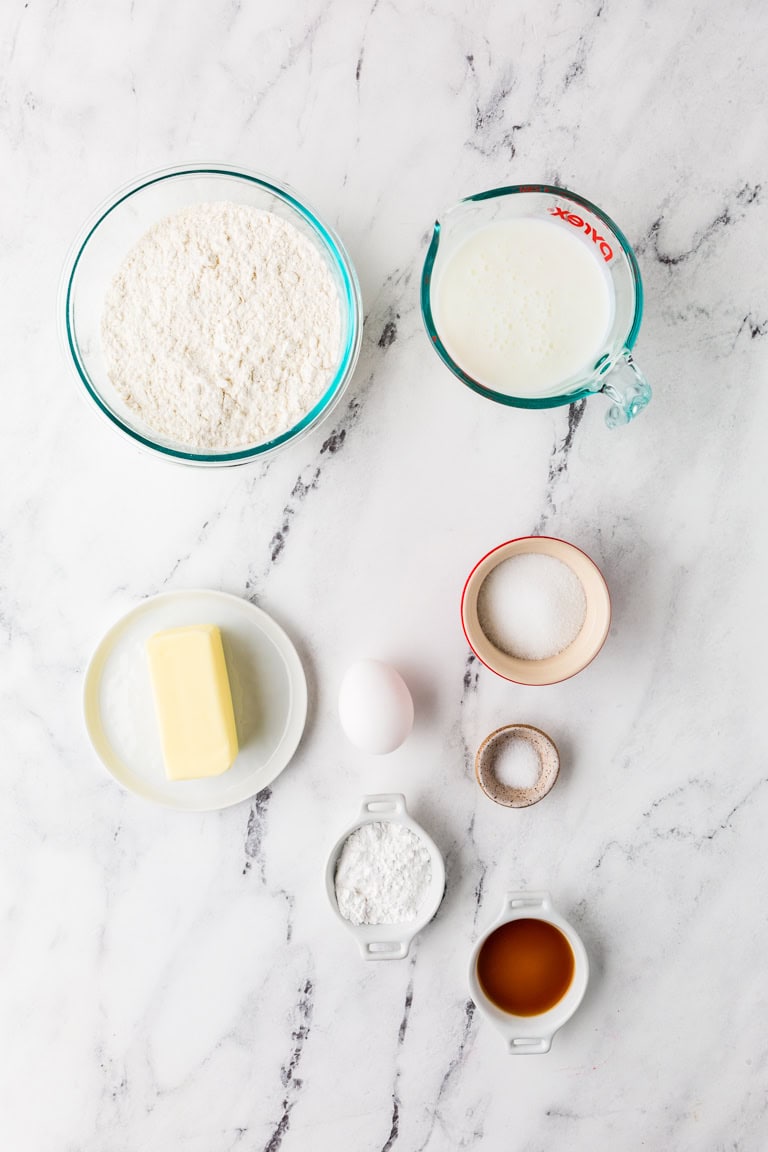
Ingredients
- 2 cups all-purpose flour
- 1/3 cup granulated sugar
- 1 tablespoon baking powder
- 1/2 teaspoon salt
- 1/2 cup unsalted butter cold and cubed
- 1 cup buttermilk
- 1 large egg
- 1 teaspoon vanilla extract
Instructions
- Preheat oven to 400°F and line a baking sheet with parchment paper.
- In a large mixing bowl, whisk together flour, sugar, baking powder, and salt.
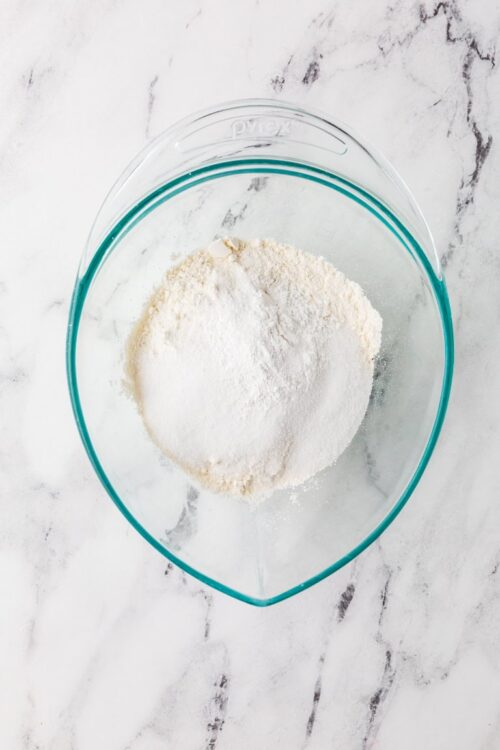
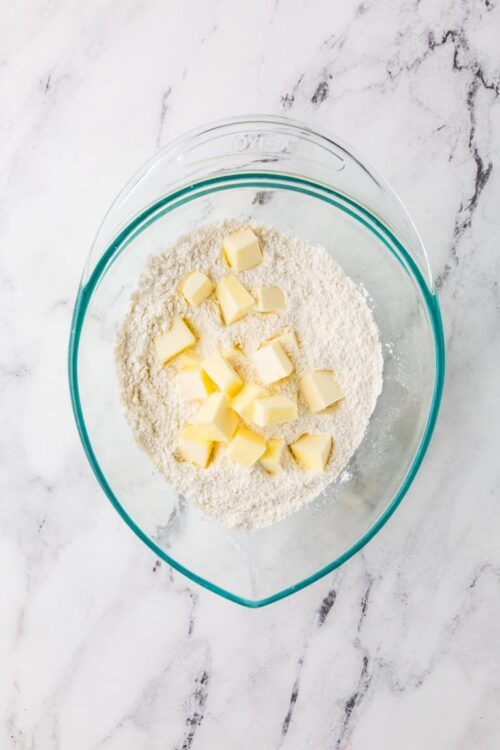
- Add cold, cubed butter to the flour mixture. Using a pastry cutter or your fingers, work the butter into the flour until the mixture resembles coarse crumbs.
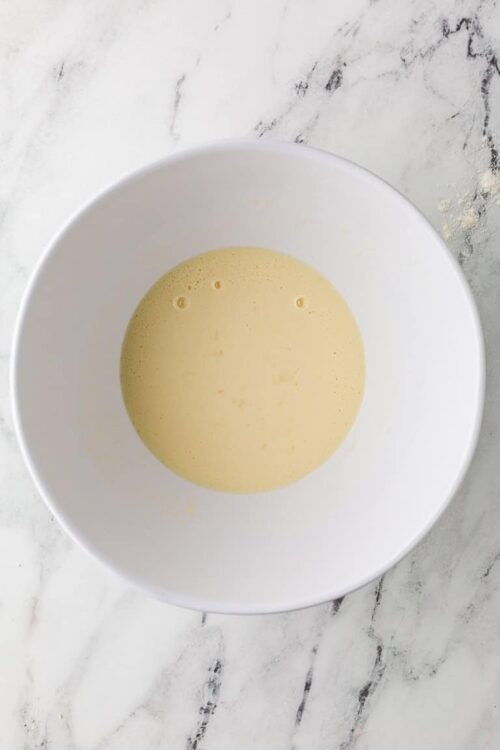
- In a separate bowl, beat together the buttermilk, egg, and vanilla extract.
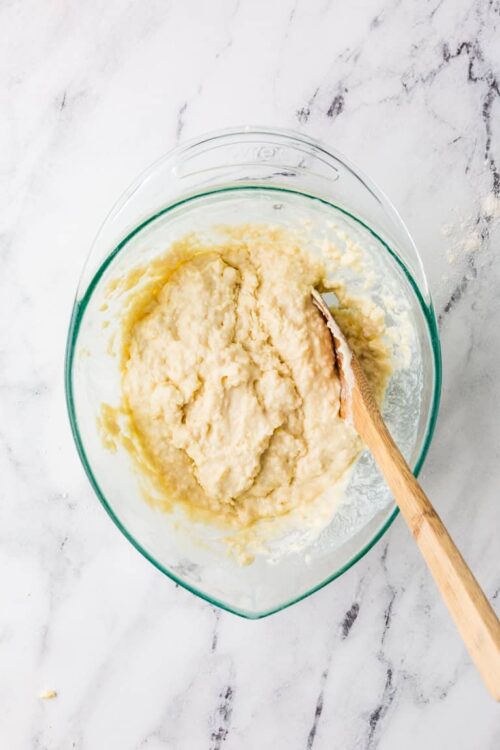
- Pour the wet ingredients into the dry ingredients and stir until just combined. Be careful not to overmix.
- Turn the dough out onto a floured surface and gently knead it into a ball. Flatten the ball into a 3/4-inch thick round.
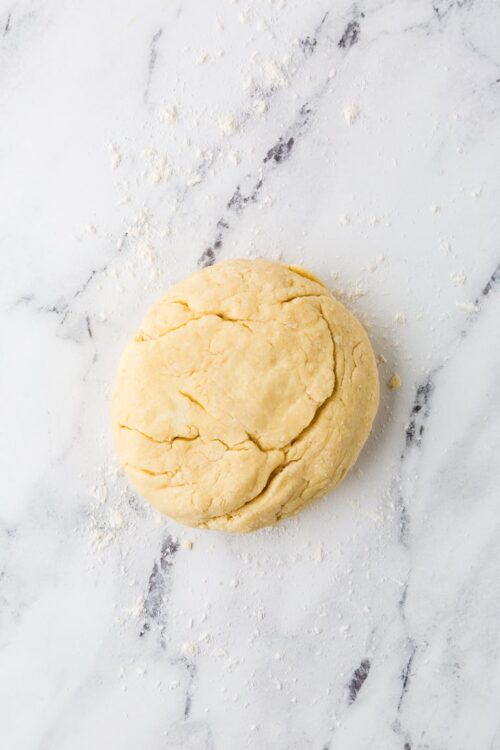
- Cut the round into 8 wedges and place them on the prepared baking sheet, spacing them about 2 inches apart.
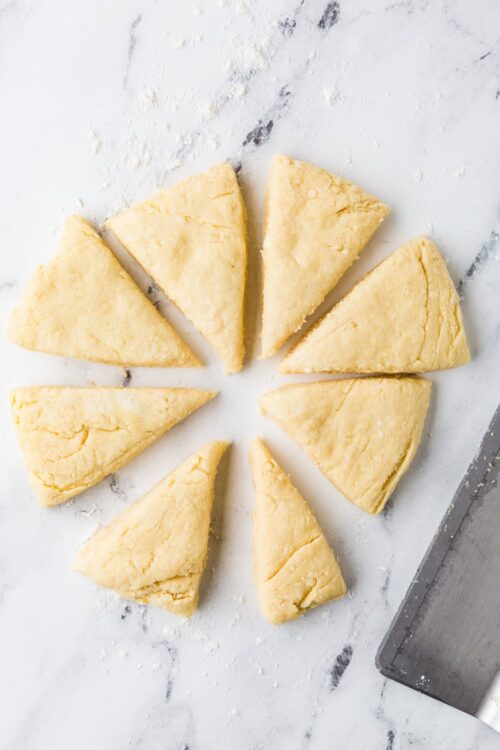
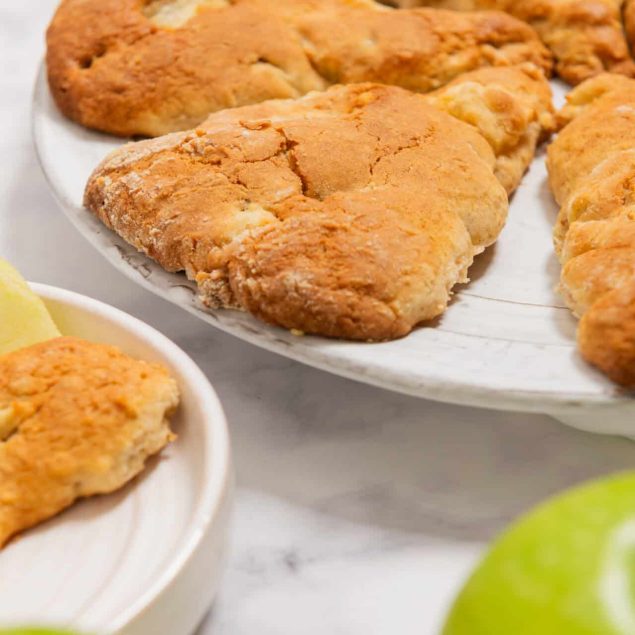
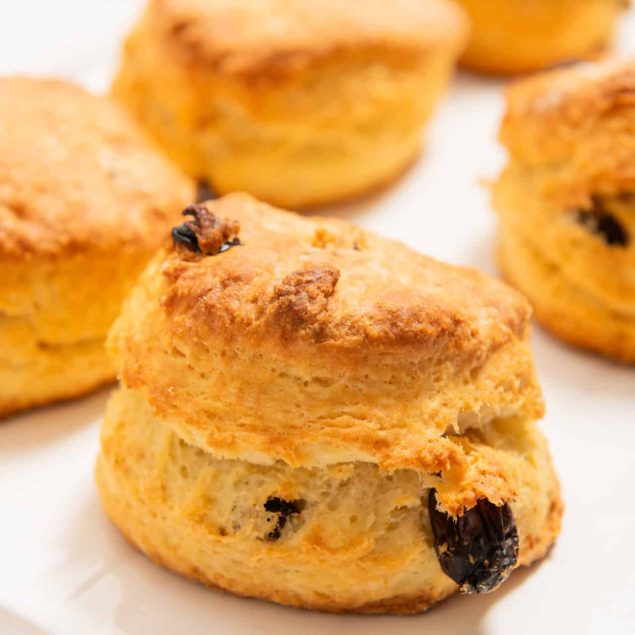
- Bake for 18-22 minutes, or until the scones are golden brown and a toothpick inserted into the center comes out clean.

- Remove from the oven and let cool slightly on the baking sheet before transferring to a wire rack to cool completely.


Leave a Comment