

Vibrant in color and in flavor, Peperonata is so versatile that it can be a main dish, a side dish, or an addition to sandwiches, pastas, grilled meat, or fish.
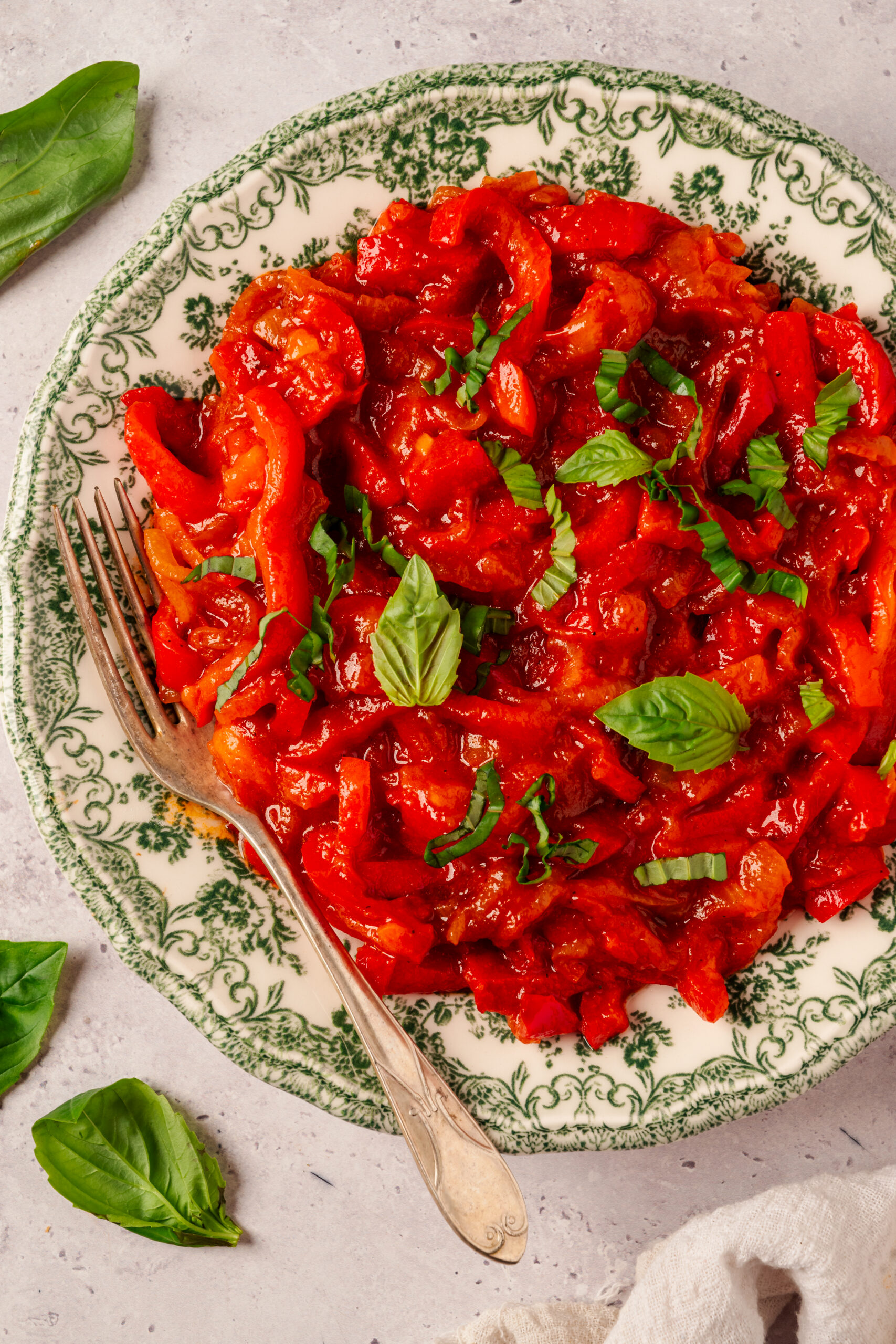
Peperonata is, in a word, stunning. This rustic vegetable stew from southern Italy owes its gorgeous color to its two main ingredients—red bell peppers and tomato passata—and its intense flavor to the slow simmering of those two red beauties. But we can’t forget about the other players that make big contributions to peperonata’s deliciousness: onions, garlic, white wine vinegar, a bit of sugar, salt, and pepper. Peperonata is a feast for the eyes and for the taste buds.
After the discovery of the Americas, bell peppers were introduced to Europe. Sweet bell peppers eventually became very popular, especially in the warm Mediterranean climates where they grew very well. At first, though, Europeans thought the peppers were poisonous and, believe it or not, Italians also thought their beloved tomato was poisonous when they first encountered it. But now, as we all well know, both tomatoes and peppers are integral components of Italian cuisine, and when you cook them together in peperonata, you’ll experience the magic of a true Italian classic.
You will love how easy it is to make peperonata. It’s a one-pot wonder, and while the total simmering time is around 50 minutes, this dish tastes as though it’s been cooking all day. Peperonata has a surprisingly complex depth of flavor, given there are so few ingredients, and you will be delighted by its rich savoriness.
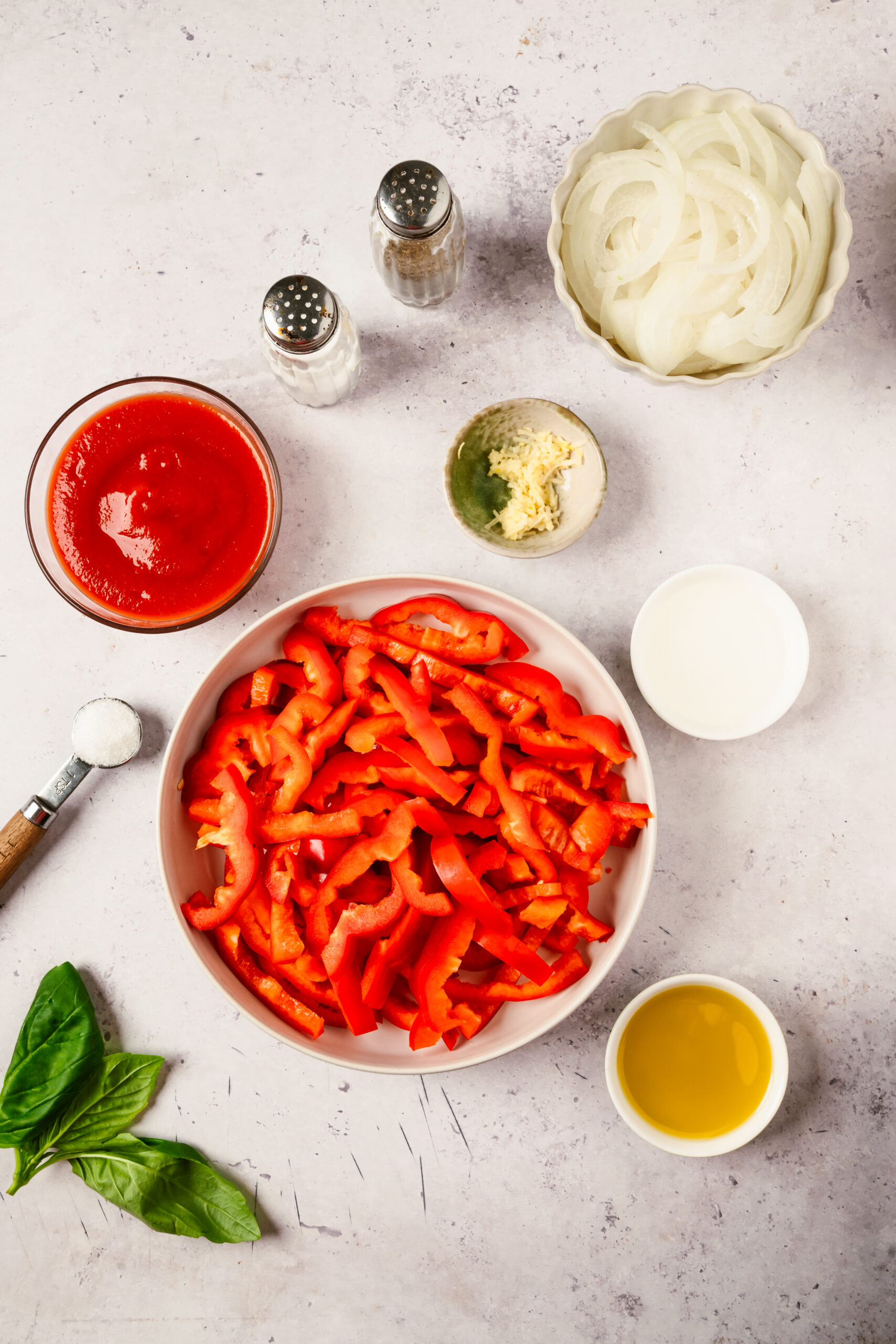
What is passata?
You’ll see the word passata in our ingredient list. Passata, sometimes called passata di pomodoro (strained tomatoes), is an uncooked, Italian purée made from fresh, ripe tomatoes: the raw tomatoes are put through a food mill or sieve to remove the skins and seeds, and what you are left with is a vibrant tomato purée with fresh flavor and a velvety consistency. Unlike passata, American tomato purée is cooked; it has a thicker texture and a deeper flavor.
How do I store leftovers?
Cooled peperonata can be stored in an airtight container in the refrigerator for 3 to 5 days or in the freezer for up to 2 months (the texture may alter during freezing, but the peperonata will still be flavorful and a fine addition to cooked items, such as sauces, soups, or stews).
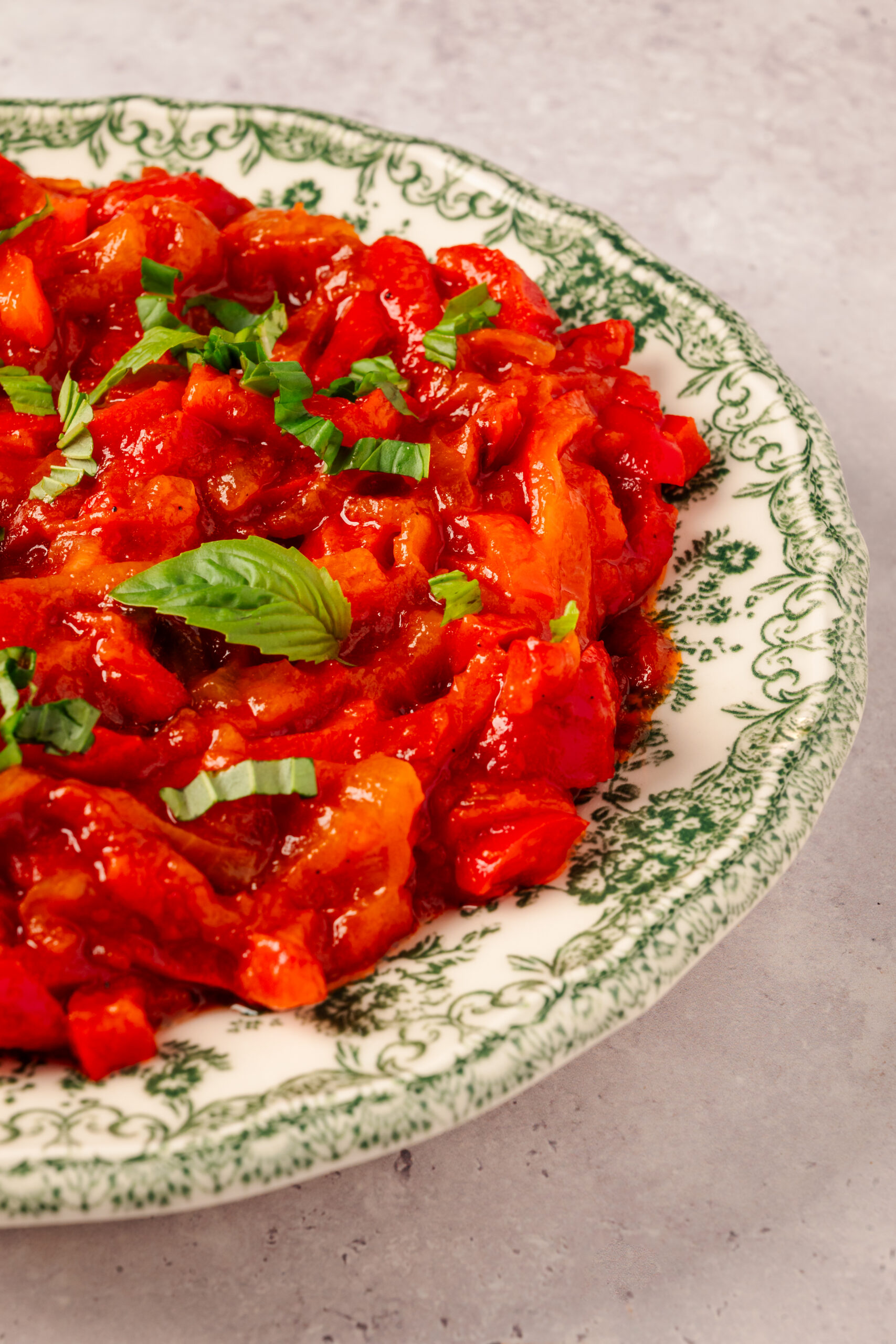
Serving suggestions
While it makes a perfect vegetarian or vegan main dish (we love it over pasta, Avocado Rice, or Quinoa), peperonata is also truly delicious served with a Pan-Seared Steak and some Delmonico Potatoes or on top of Parmesan-Crusted Salmon with a side of Pea And Lemon Risotto. You can also make some amazing appetizers with peperonata, like this riff on a bruschetta: toast or grill some thick slices of Ciabatta Bread, spread them with Whipped Ricotta, and then cover that with peperonata. And don’t forget the peperonata when you’re looking to add a flavor bomb to your favorite sandwiches: it is super yummy in a Philly Cheesesteak, on Chicken-Bacon-Cheddar Sandwiches, or piled on top of a Veggie Burger.
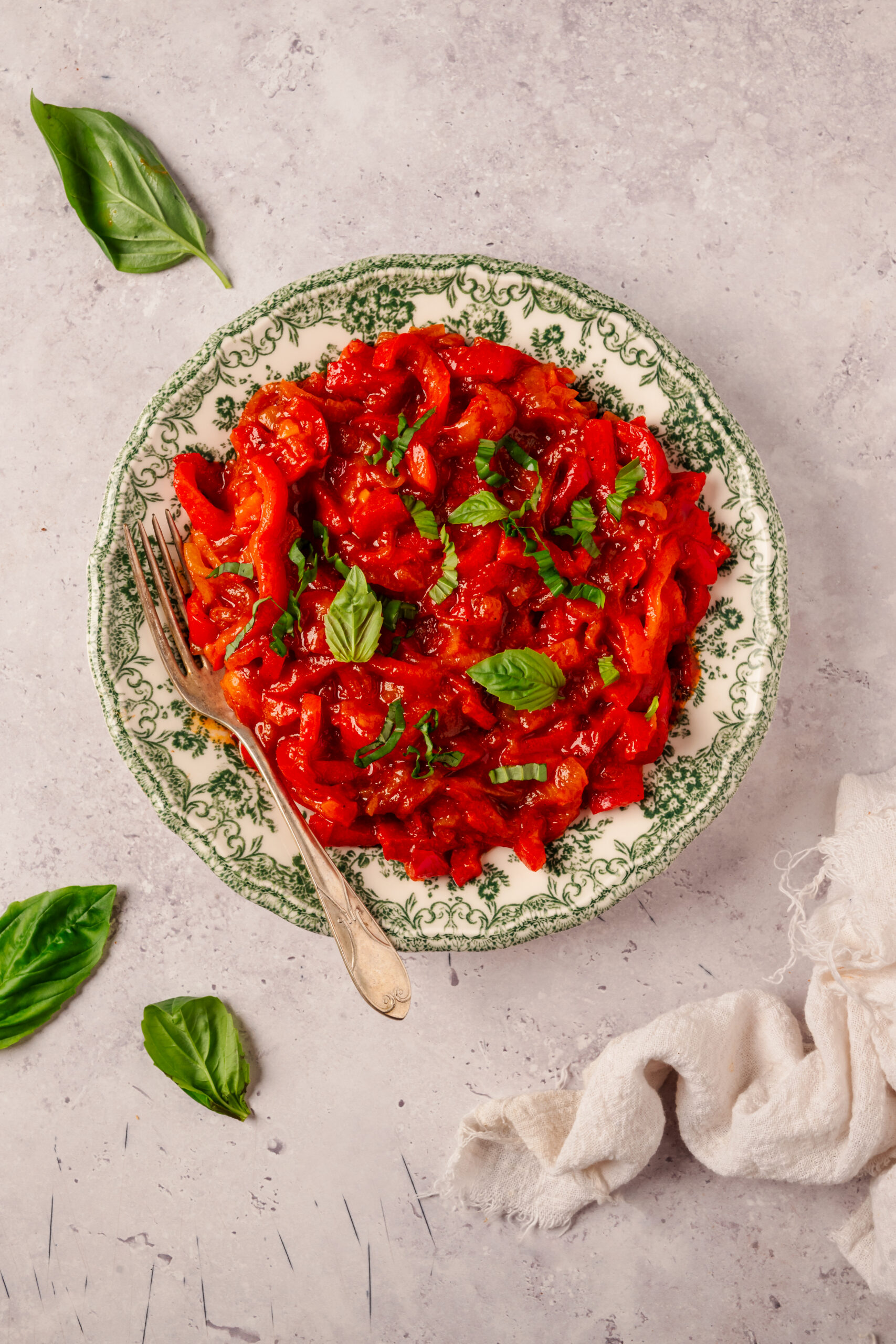
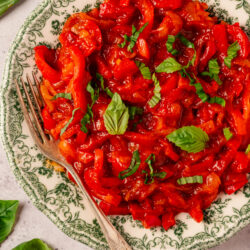
Peperonata

Ingredients
- 4 tablespoons olive oil
- 1 large onion thinly sliced
- 3 garlic cloves minced
- 16 ounces red bell peppers sliced into 1/4 inch strips
- 1 cup tomato passata
- 1/4 teaspoon salt plus more to taste
- 1 pinch ground black pepper
- 1 1/4 teaspoons white wine vinegar
- 3/4 teaspoon sugar
- Thinly sliced basil leaves for serving (optional)
Instructions
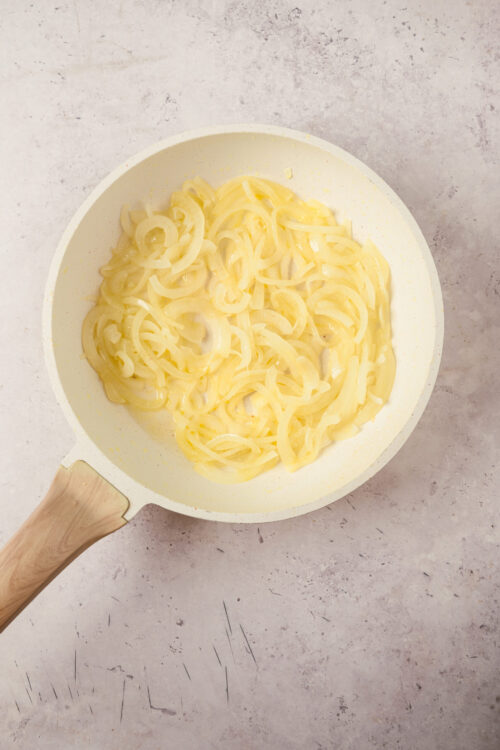
- Heat olive oil in a large pan over medium-low heat. Add the sliced onion and cook for about 5 minutes until soft. Stir in the minced garlic and cook for another 2 minutes.
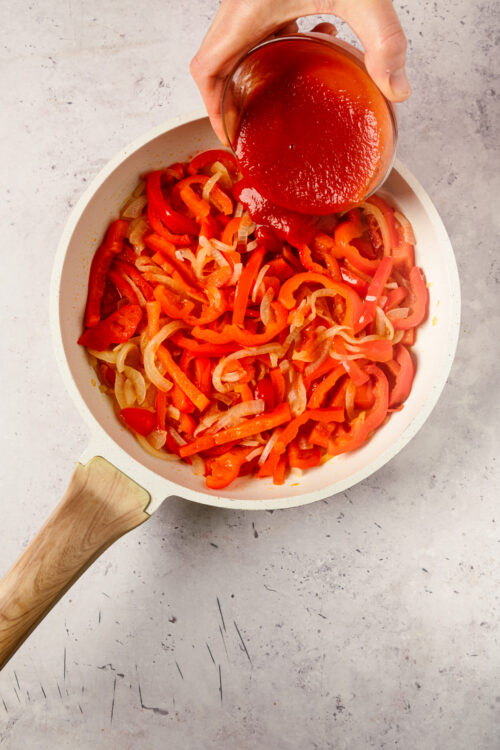
- Add the bell peppers and cook for 10 minutes. Pour in the tomato passata, add the salt and the ground black pepper, then cover and let simmer gently for 30 to 40 minutes, stirring occasionally.
- Remove the lid, stir in the white wine vinegar and sugar, and continue to simmer uncovered for another 10 minutes.
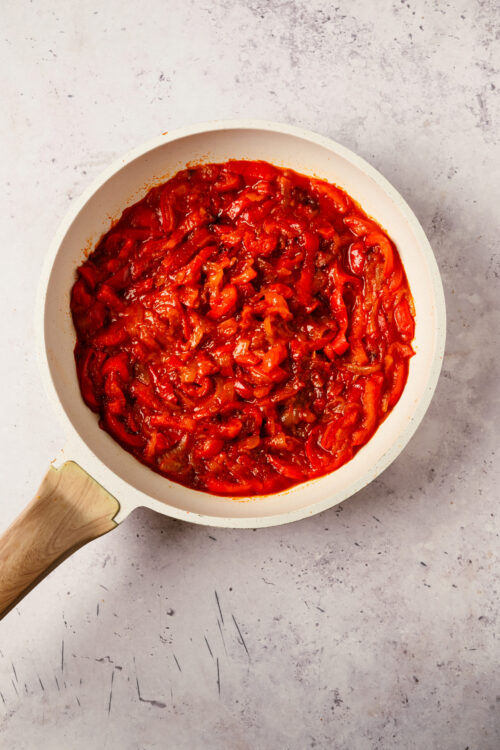
- Taste and adjust the seasonings as needed. Garnish with basil if desired. Serve warm or at room temperature.

Leave a Comment